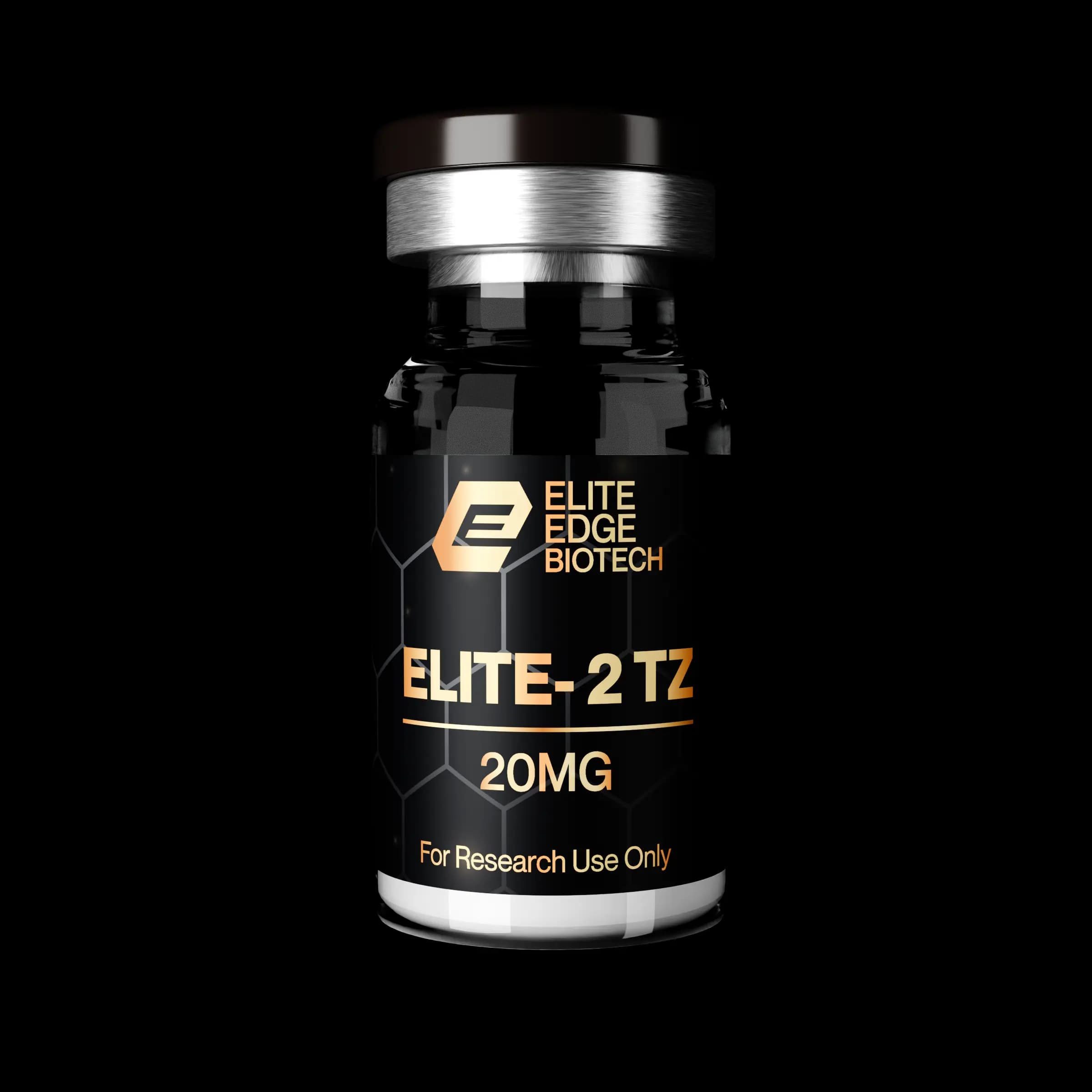

Tesamorelin is a man-made peptide. A peptide is a short chain of amino acids (small building blocks). Scientists study Tesamorelin in labs because it may affect growth hormone pathways.
Tesamorelin is built to copy part of a natural hormone called growth hormone-releasing hormone, or GHRH.
This article is only for general research information. It does not talk about or promote any use outside of lab and animal-model research.
What Is Tesamorelin?

Tesamorelin is made in a lab. It is built from a chain of amino acids that copies part of GHRH. GHRH is a natural hormone that helps control growth hormone release.
Scientists study Tesamorelin because it connects to a special receptor called the GHRH receptor. This receptor helps control how growth hormone signals move through the body.
Scientists use Tesamorelin to study:
- Growth hormone pathways
- Hormone signaling
- Receptor activity
- Fat cell activity in animal models
- Peptide stability
Quick Facts Table

| Fact | Detail |
| Type | Man-made peptide |
| Size | 44 amino acids |
| Related to | Growth hormone-releasing hormone (GHRH) |
| Studied in | Endocrine and peptide research |
| Tested on | Cell samples and lab rodents |
| Main target | GHRH receptor |
How Do Scientists Test Tesamorelin?

Scientists test Tesamorelin in two main ways:
- Cell cultures – cells grown in a lab dish
- Animal models – usually lab rodents
Lab tests have reported:
- Increases in growth hormone release in rodent models
- Changes in fat cell activity in animal tissue samples
- Activation of the GHRH receptor in cell studies
- Changes in certain hormone markers in rodent blood samples
All of these results come only from lab and animal studies.
Why Scientists Study Tesamorelin

1. Growth Hormone Pathway Research
Scientists use Tesamorelin to study how growth hormone signals move through the body. Research topics include:
- How the GHRH receptor turns on
- How growth hormone release is controlled
- How signals travel between cells in animal models
2. Fat Tissue Studies
Researchers also study how Tesamorelin may affect fat cells in animal models. This helps scientists understand:
- How fat tissue responds to hormone signals
- How growth hormone pathways connect to fat cell activity
- Metabolic patterns in rodent studies
3. Receptor Research
Scientists use Tesamorelin to study how the GHRH receptor works. This includes:
- How the receptor gets activated
- How cells receive hormone signals
- How peptides interact with receptor sites
4. Peptide Stability Research
Because Tesamorelin is a longer peptide, it is also useful for studying:
- How peptides stay stable in different lab conditions
- How enzymes break down peptides
- How peptide structure affects activity
How Lab Studies Are Designed

This article describes study design only and gives no usage guidance.
In lab studies, scientists choose test amounts based on:
- The animal model being used
- The specific research question
- The testing method (for example, animal-model or cell-culture testing)
- The length of the study
Test amounts vary widely between studies and are chosen only for scientific testing.
Reported Effects in Lab and Animal Studies
Some published rodent and cell studies report:
- Growth hormone levels rising by roughly 20–40% in some rodent test groups, depending on the study
- Measurable decreases in certain fat tissue markers in animal models
- Increased activation of the GHRH receptor in cell-based tests
- Changes in blood markers linked to hormone activity in rodent samples
Results can differ across studies. This depends on the animal species used, the study design, and the lab methods. These findings apply only to lab and animal research and have not been confirmed in any other setting.
Key Facts and Numbers
- Tesamorelin has 44 amino acids, making it a longer peptide compared to many other research peptides.
- It is built to copy part of the natural hormone GHRH.
- Tesamorelin has been referenced in hundreds of scientific papers related to hormone and metabolic research.
- Most published studies use rodent models and in-vitro (lab dish) testing.
- Ongoing research continues to explore its stability, receptor activity, and effects on fat tissue in animal models.
Where Tesamorelin Is Studied Today

Scientists continue studying Tesamorelin in areas such as:
- Endocrine (hormone system) research
- Peptide chemistry and stability
- Fat tissue and metabolic research in animal models
- Receptor activation studies
- Growth hormone pathway research
What We Still Don’t Know
Even though Tesamorelin has been studied for years, there are still gaps in scientific understanding:
- Most data comes from animal models, which may not represent all biological systems.
- Different labs use different testing methods, making it hard to compare results directly.
- Long-term effects in animal models are not fully understood.
- More research is needed before firm conclusions can be made about how Tesamorelin works.
Conclusion
Tesamorelin is a man-made peptide that scientists study using cell samples and animal models. Because it may affect growth hormone pathways and fat tissue activity, it remains a useful tool in endocrine and peptide research.
All current information about Tesamorelin comes from lab and animal-model studies. Scientists continue to research its structure, stability, and effects to better understand how this peptide works at the cell level.
All technical and descriptive information on this website is provided for research, educational, and informational purposes only. The products and any statements made about them have not been evaluated by the U.S. Food and Drug Administration. The products are not intended to diagnose, treat, cure, or prevent any disease or medical condition.
Elite Edge Biotech is a chemical supplier. Elite Edge Biotech is not a compounding pharmacy or chemical compounding facility as defined under section 503A of the Federal Food, Drug, and Cosmetic Act and is not an outsourcing facility as defined under section 503B of the same Act.
By purchasing from Elite Edge Biotech, you agree that all products will be used in accordance with applicable laws and regulations, and that you assume full responsibility for their use in appropriate research settings only.